Back to the table
Card 4 of 5 · 2025
Habitica
A habit-building product that uses identity, community, and accountability partnerships to help people stay disciplined.
By Simeon Fesshaye · UX/UI design
- UX research
- Wireframing
- Visual design
- Focus
- Behavior-driven design
01
The problem
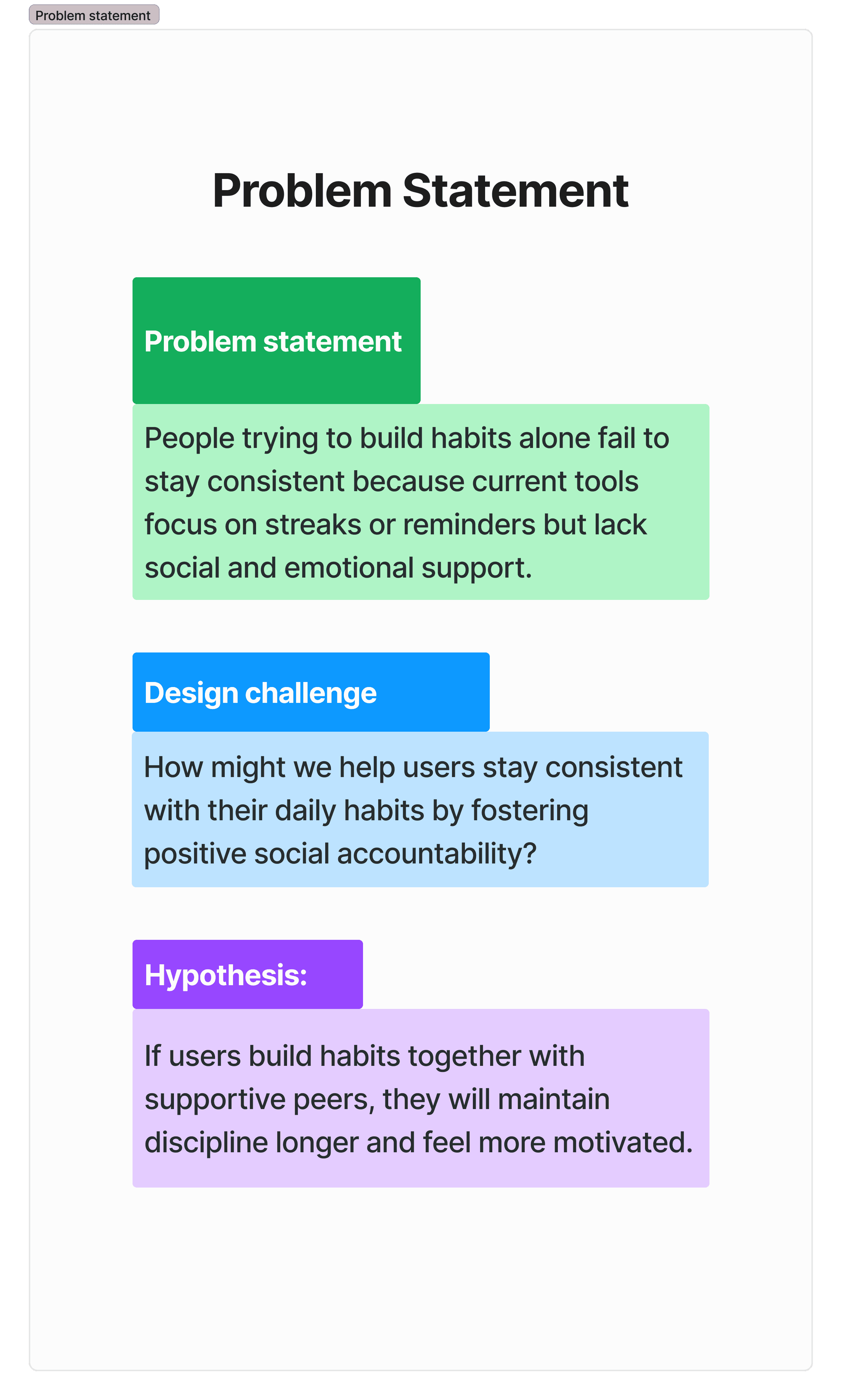
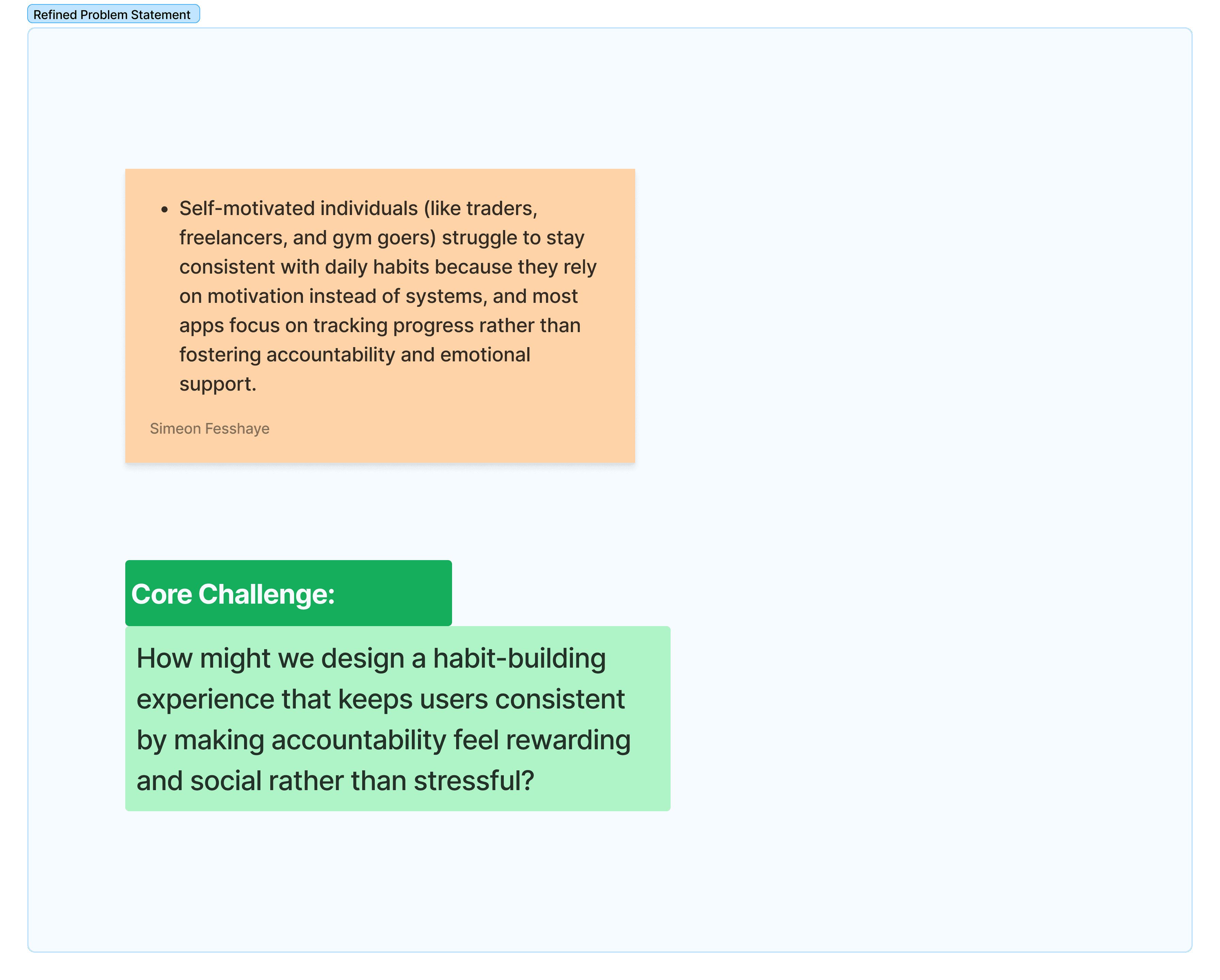
Many habit-building apps fail not because users lack motivation, but because they lack structure, accountability, and emotional reinforcement.
- Motivation fades quickly
- No accountability when habits slip
- Apps feel isolating and mechanical
02
The design challenge
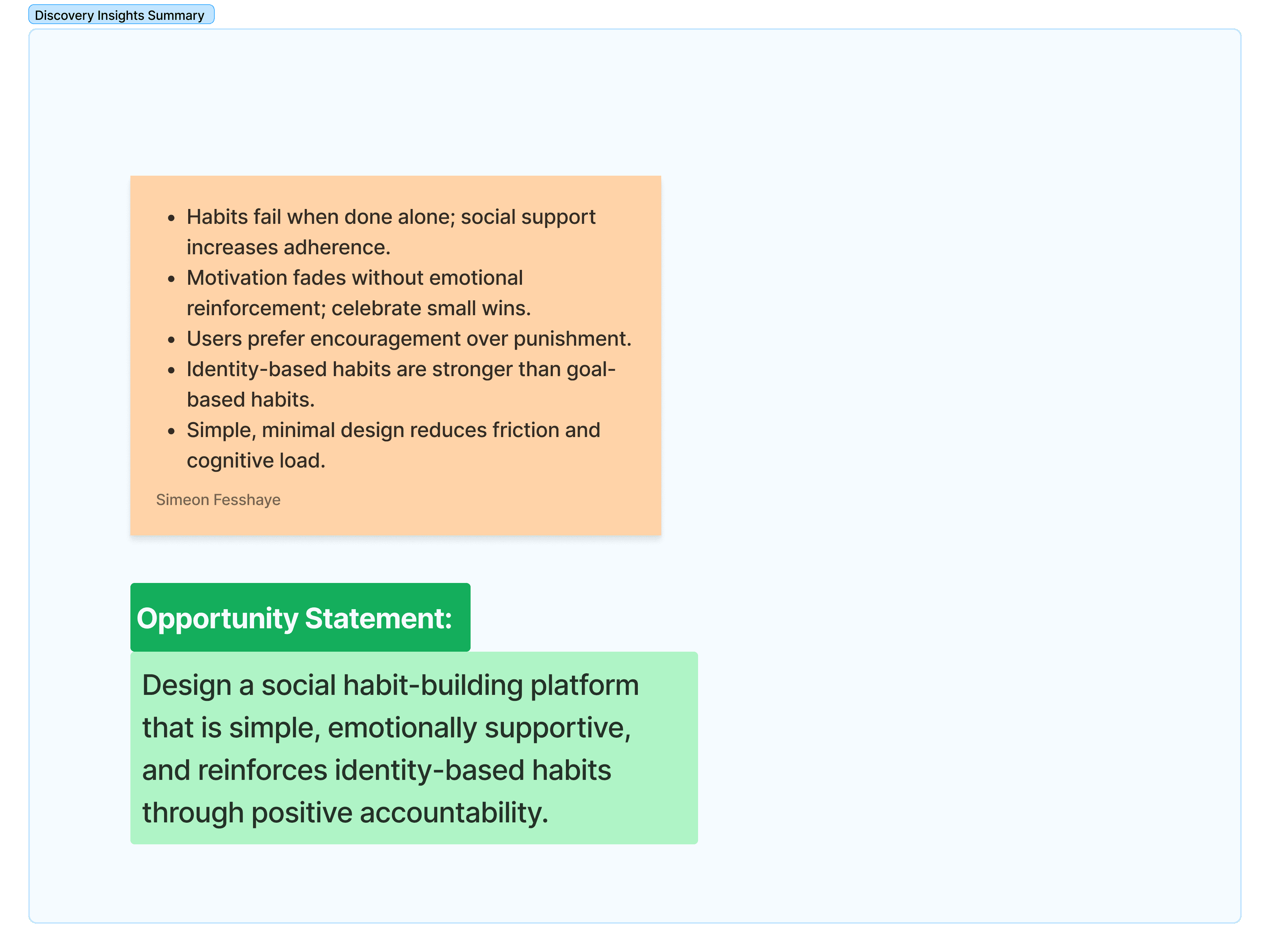
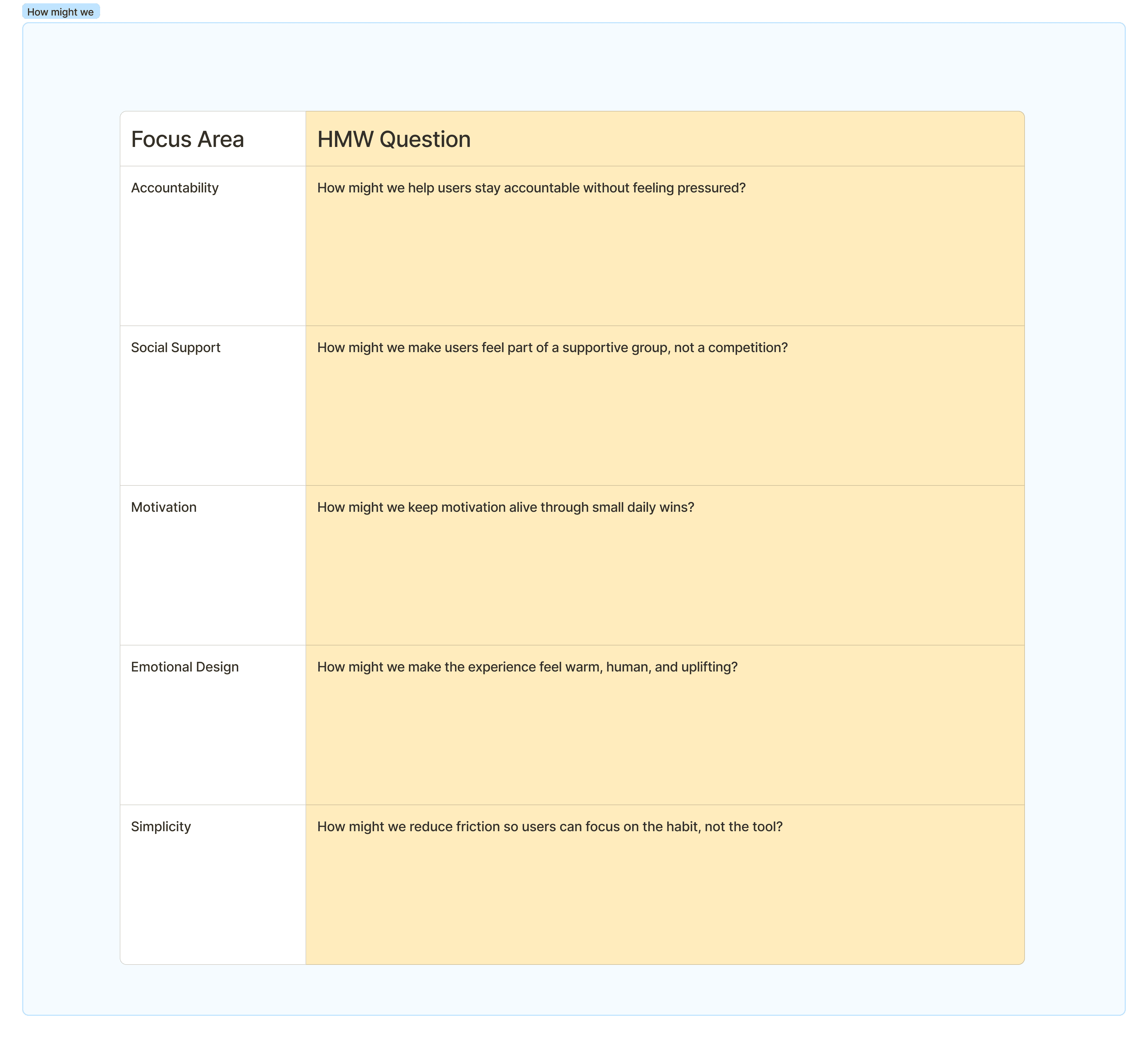
“How might we help people stay consistent with habits by combining personal identity, social accountability, and emotional safety without guilt or pressure?”
03
Success metrics (conceptual)
- Increased daily check-ins
- Reduced habit drop-off
- Stronger emotional attachment to habits
04
Design approach
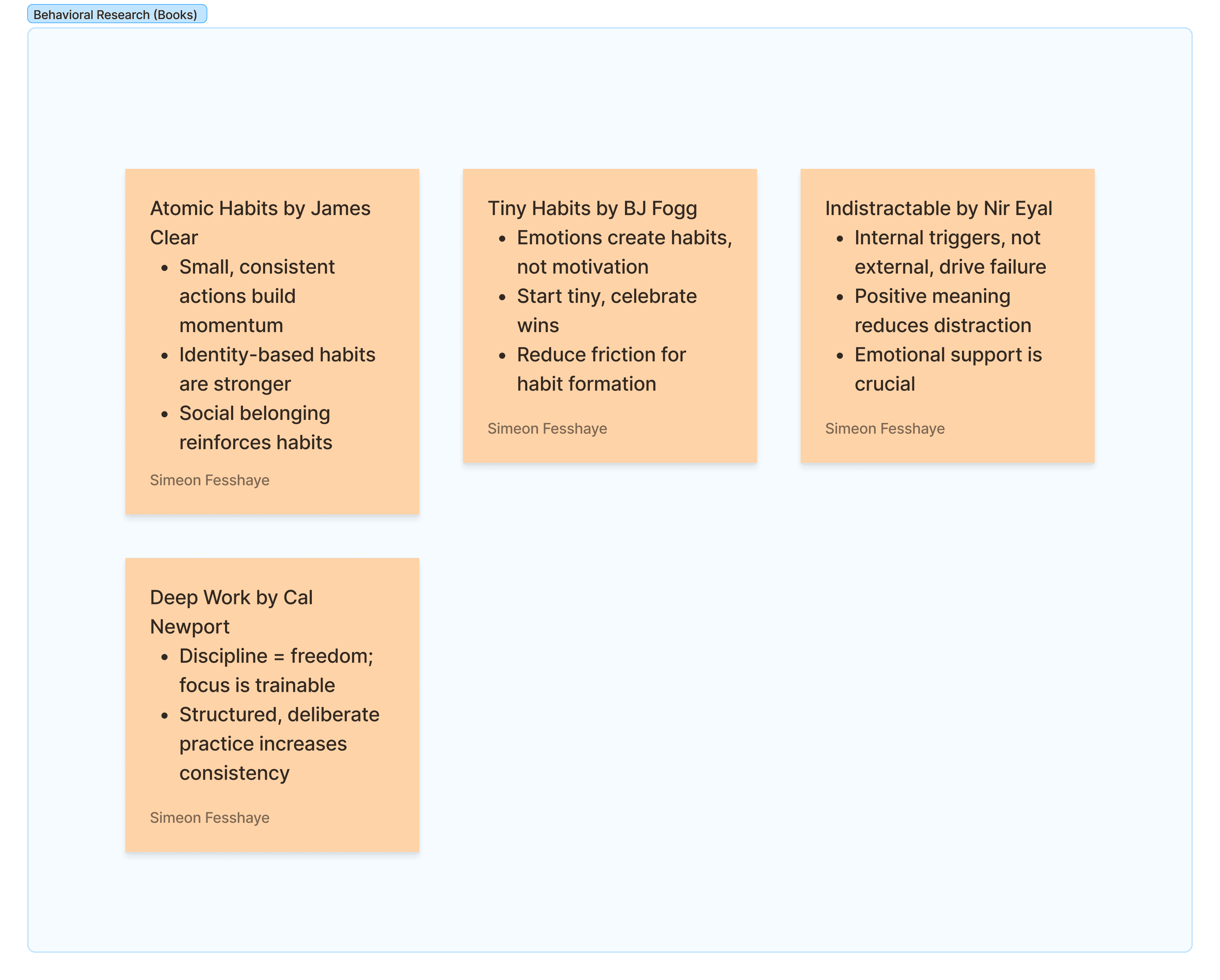
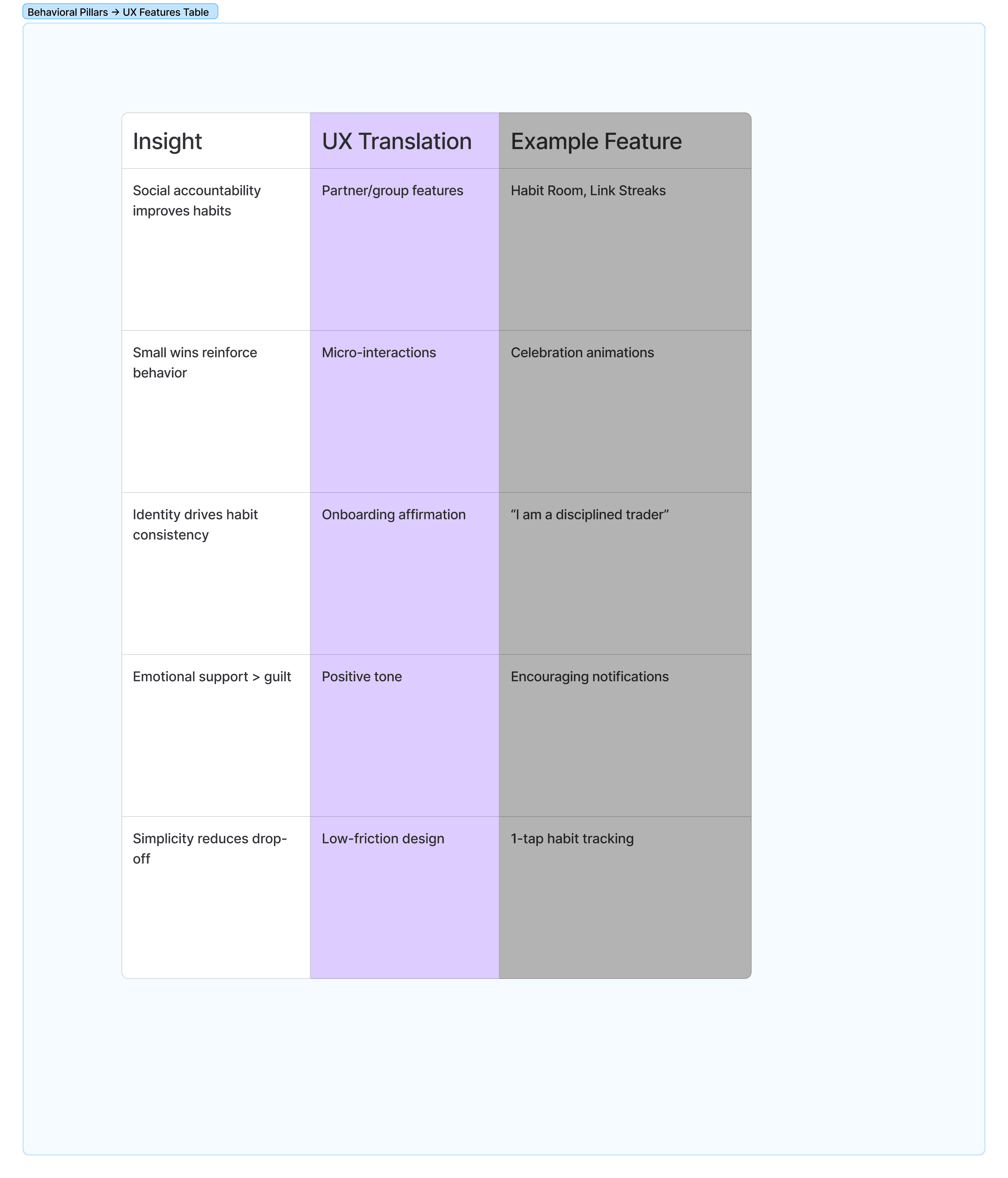
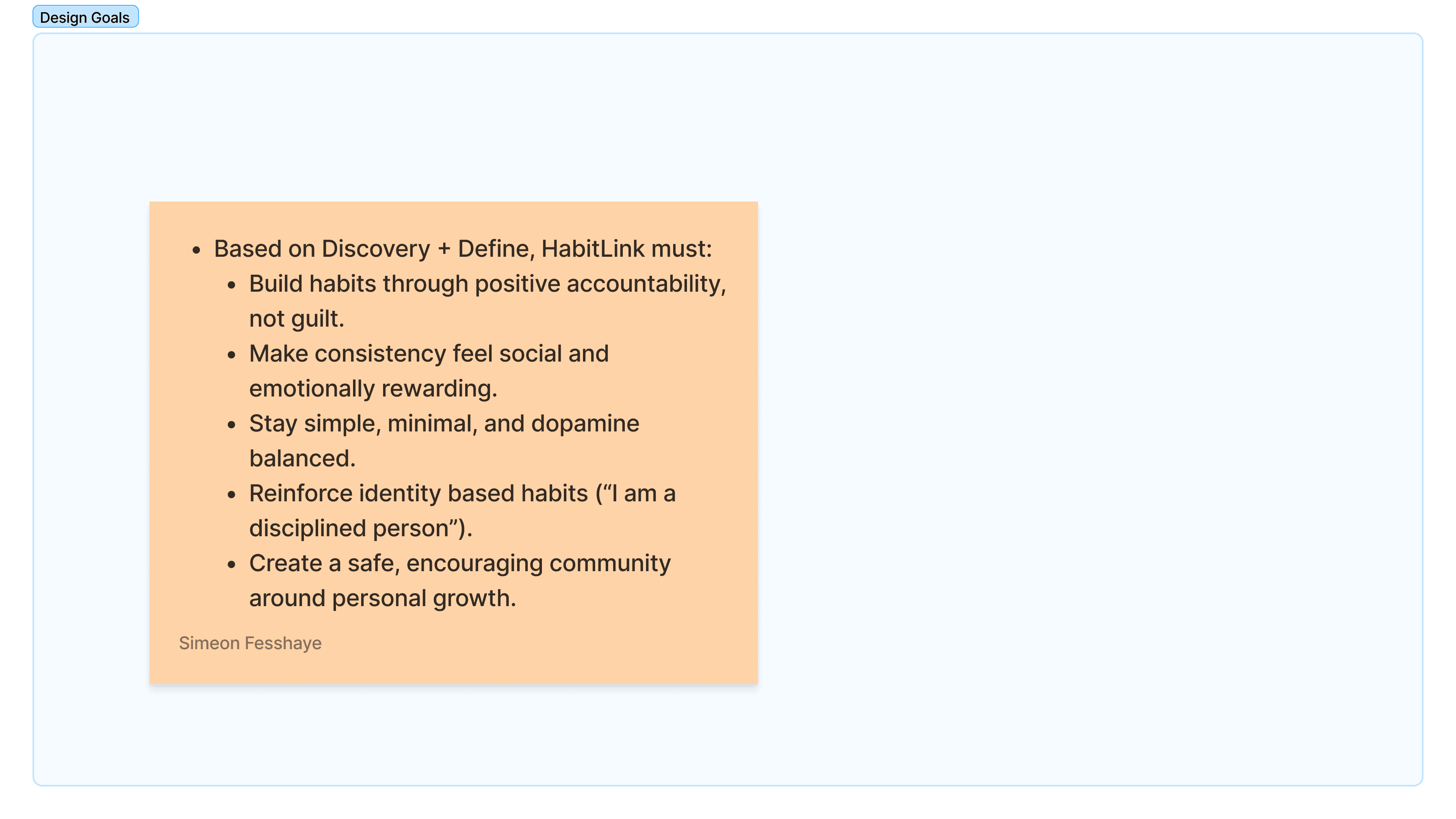
Behavior-driven design + Atomic Habits principles:
- Identity-based habits
- Environment > motivation
- Social reinforcement over self-control
- Low-friction actions
05
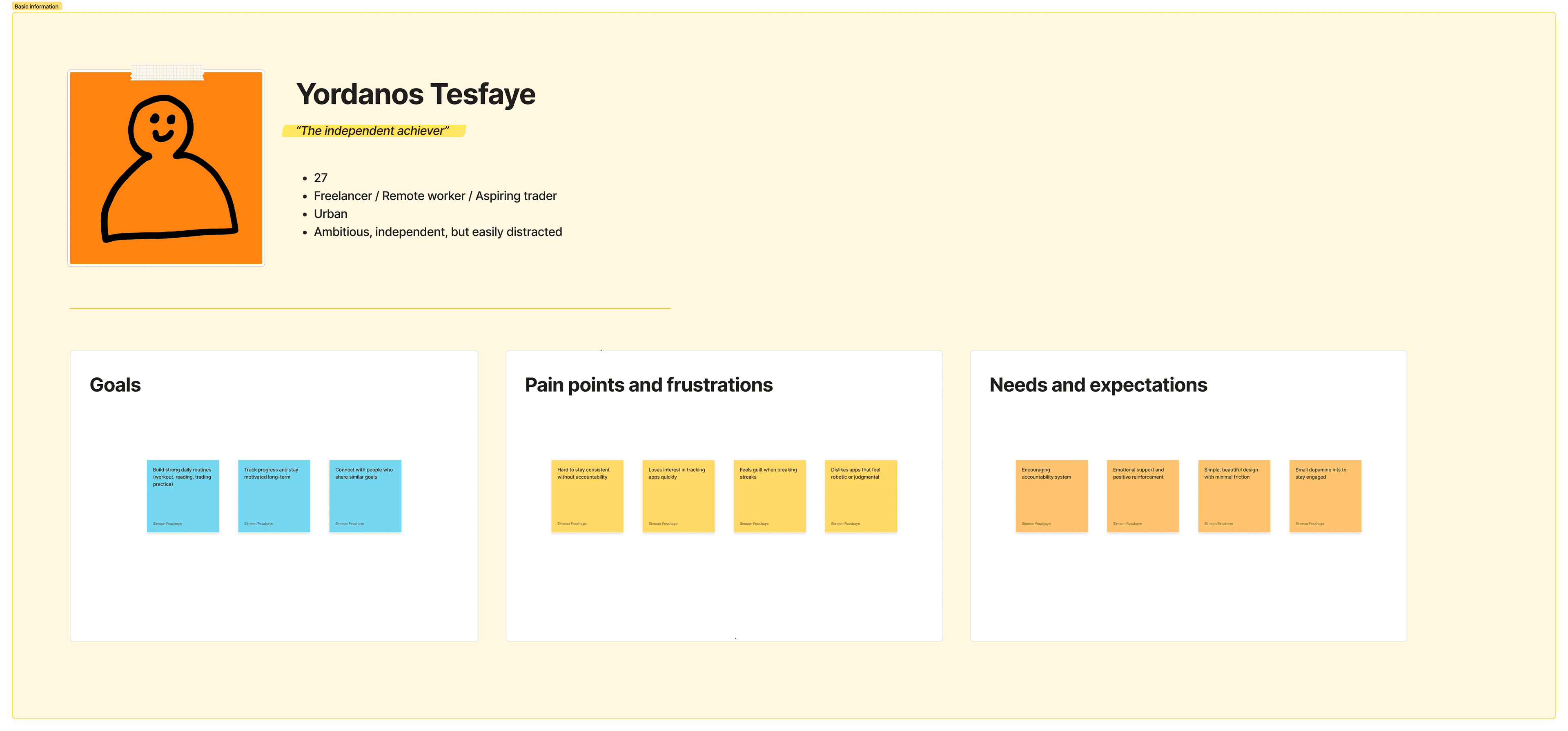
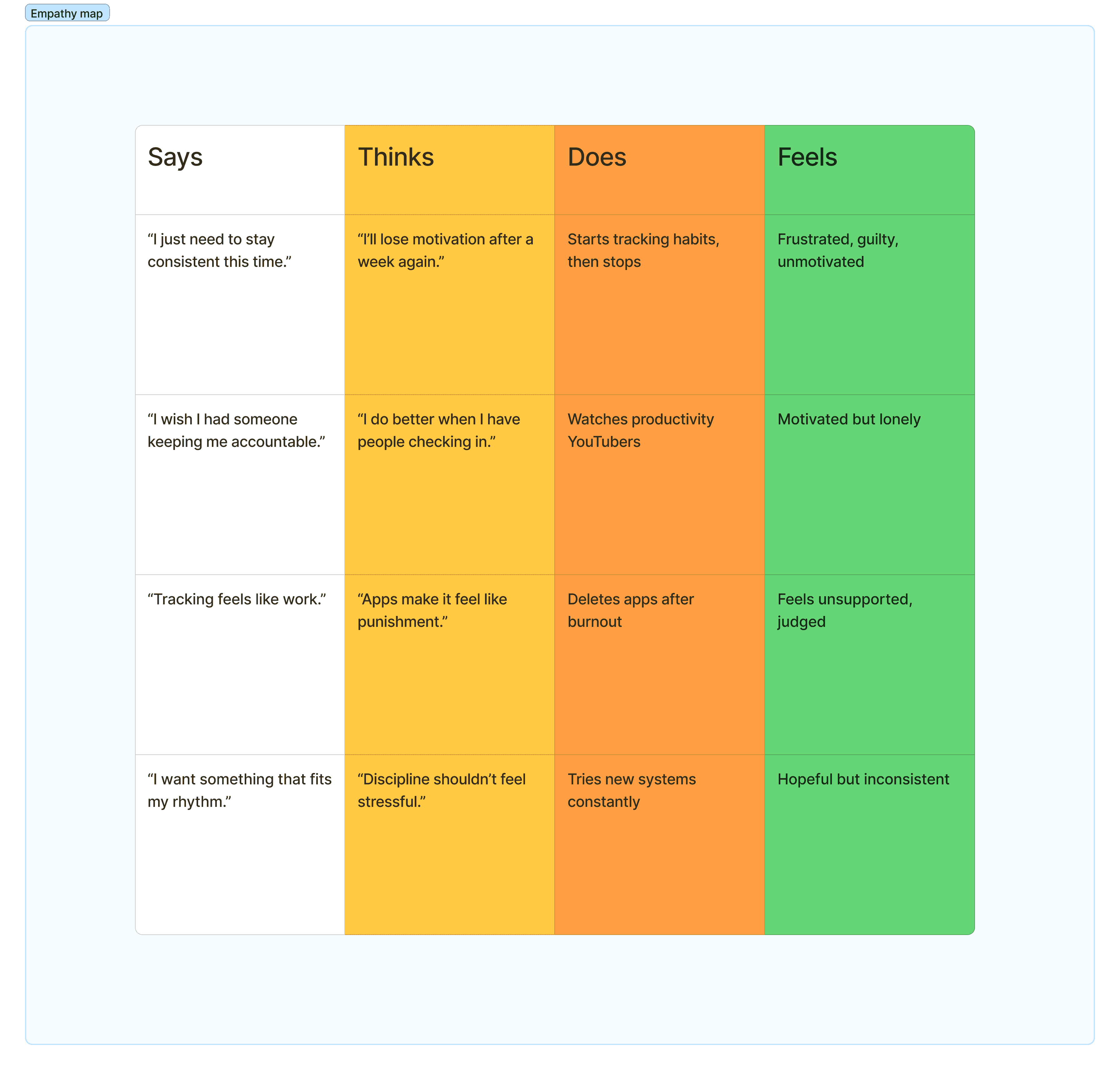
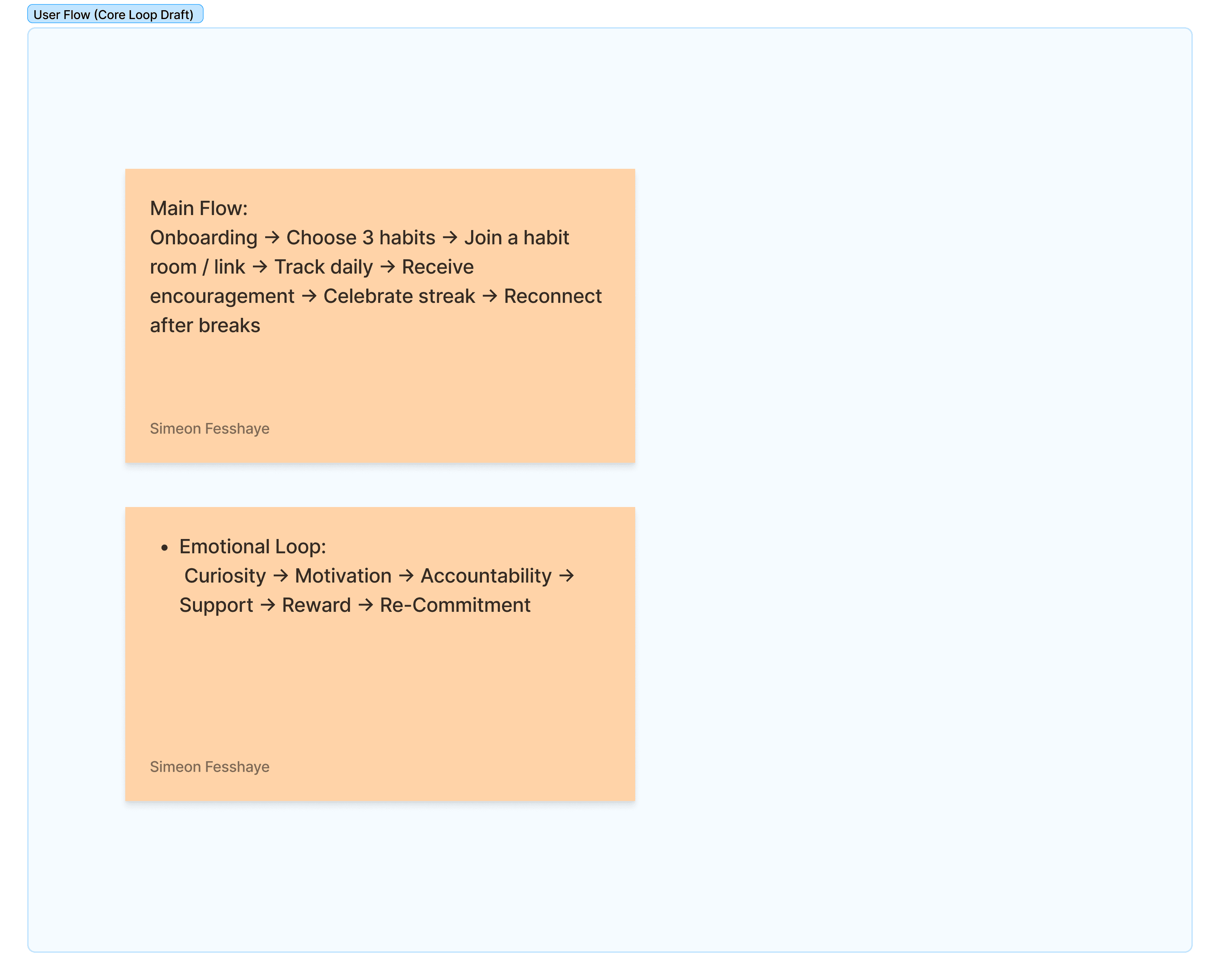
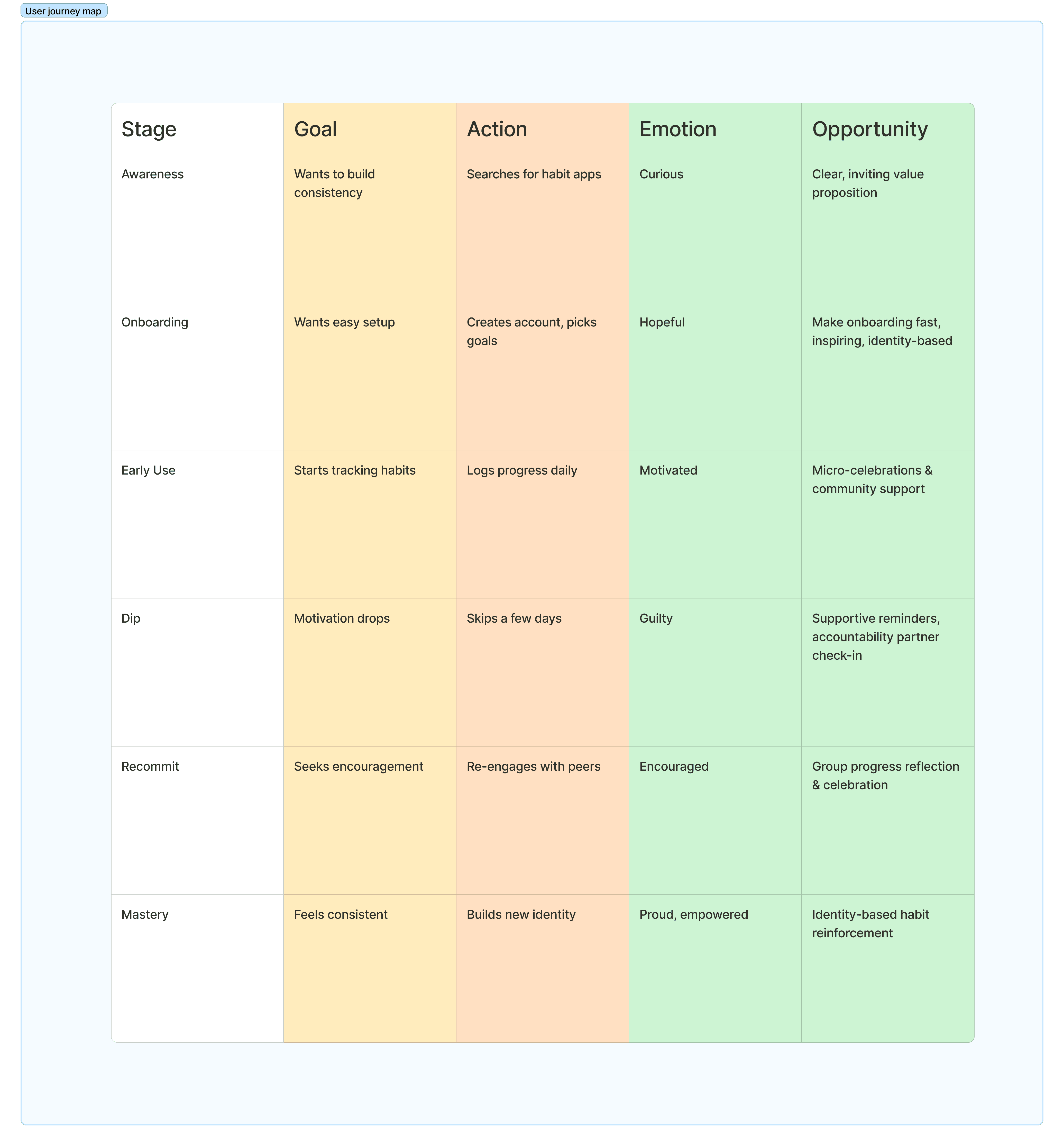
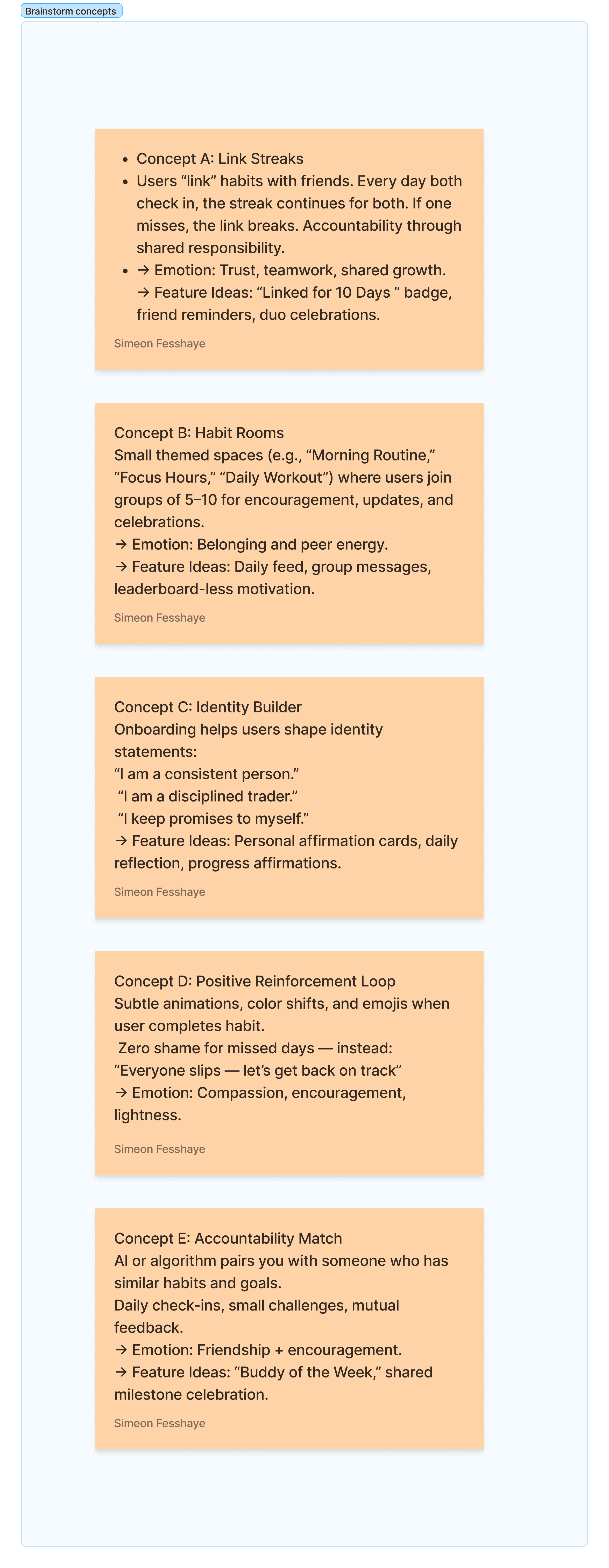
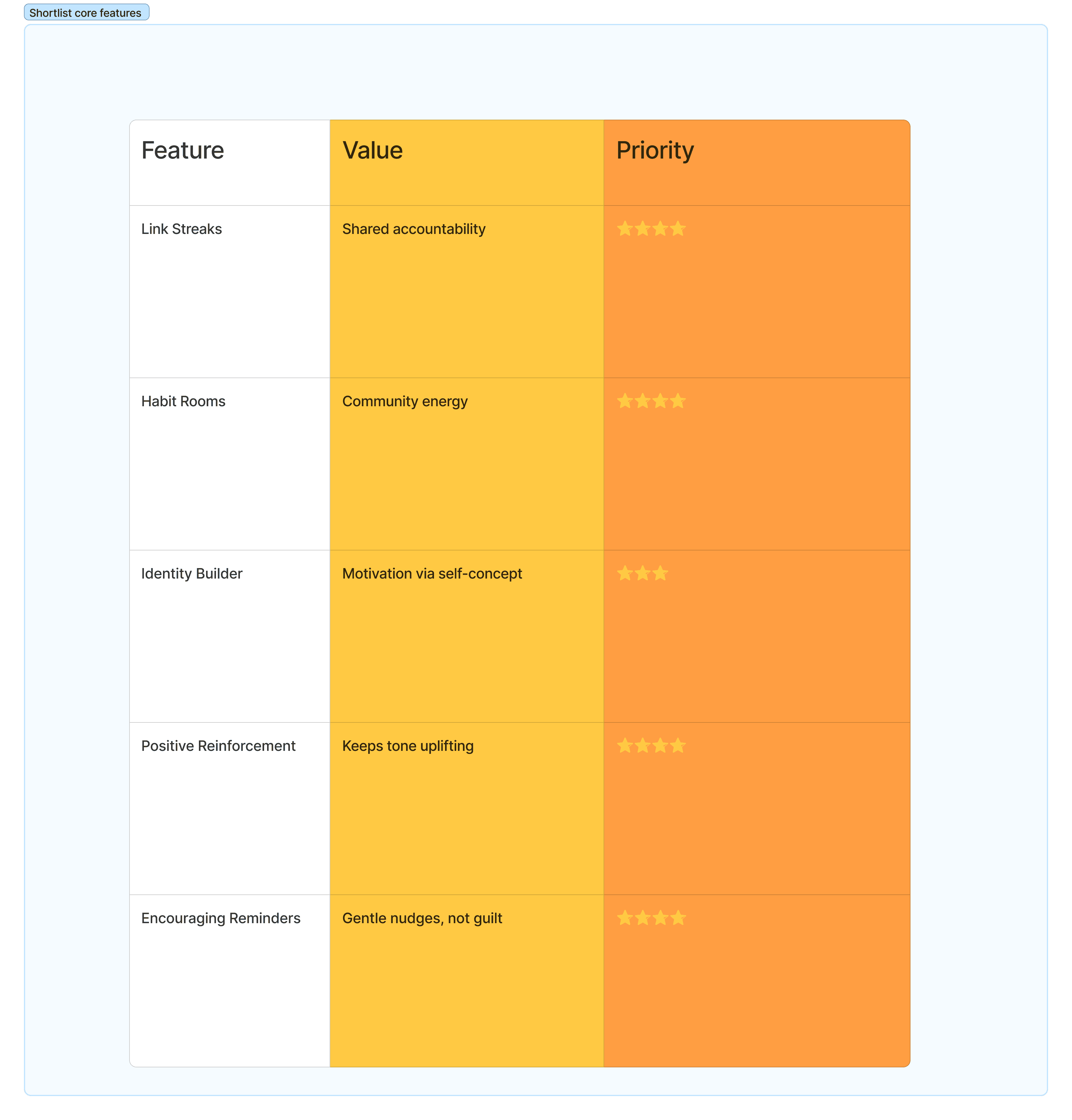
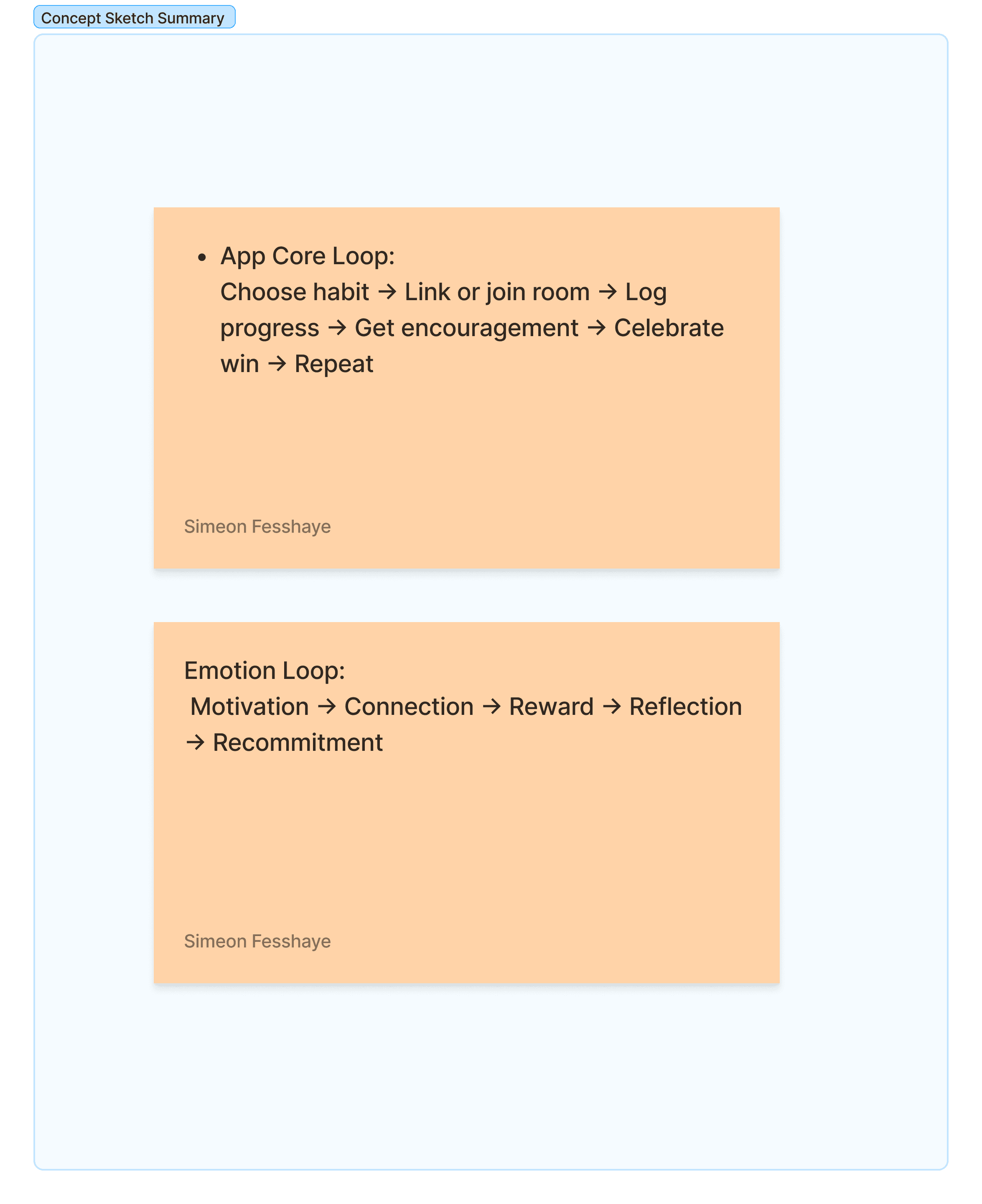
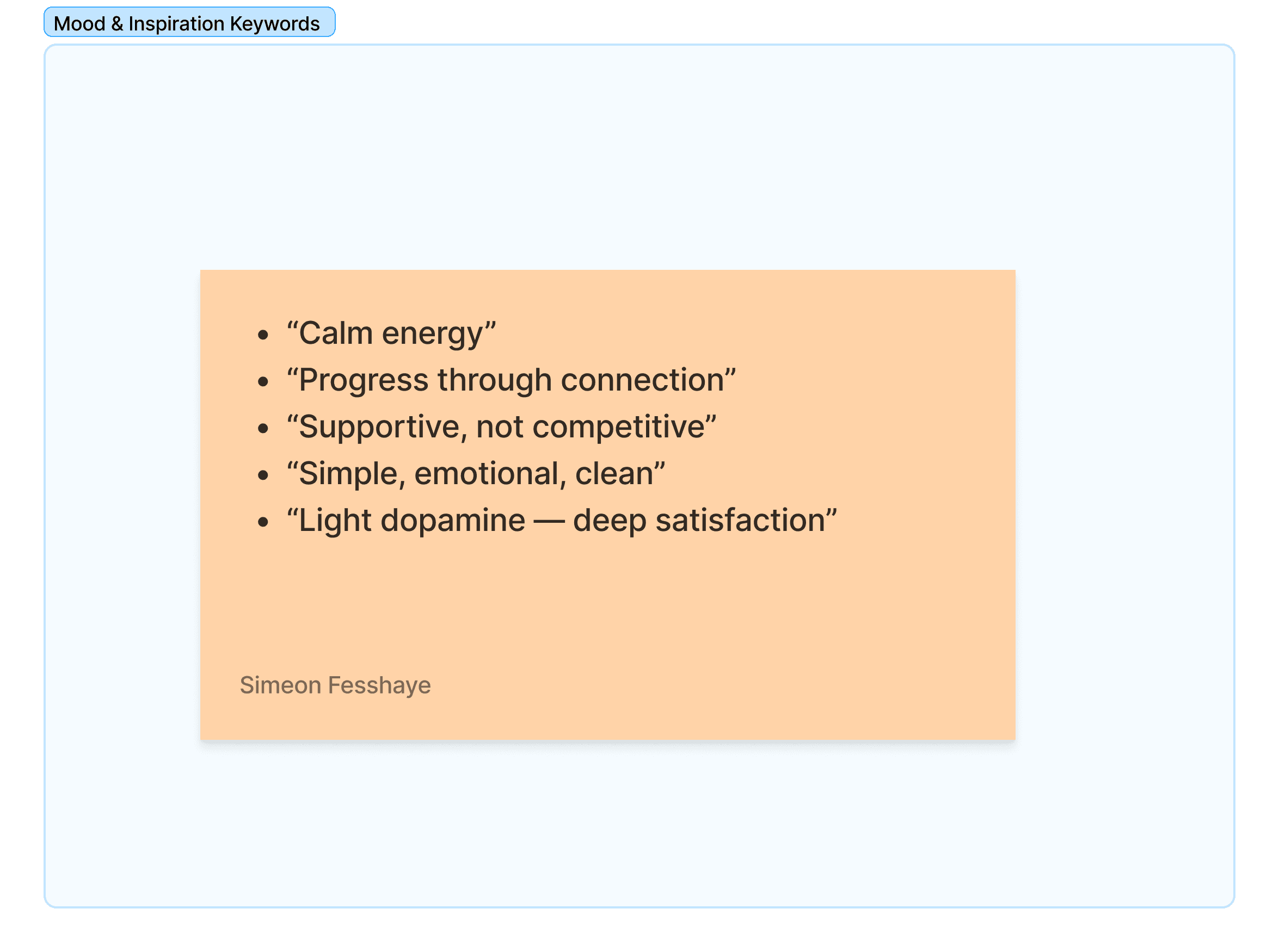
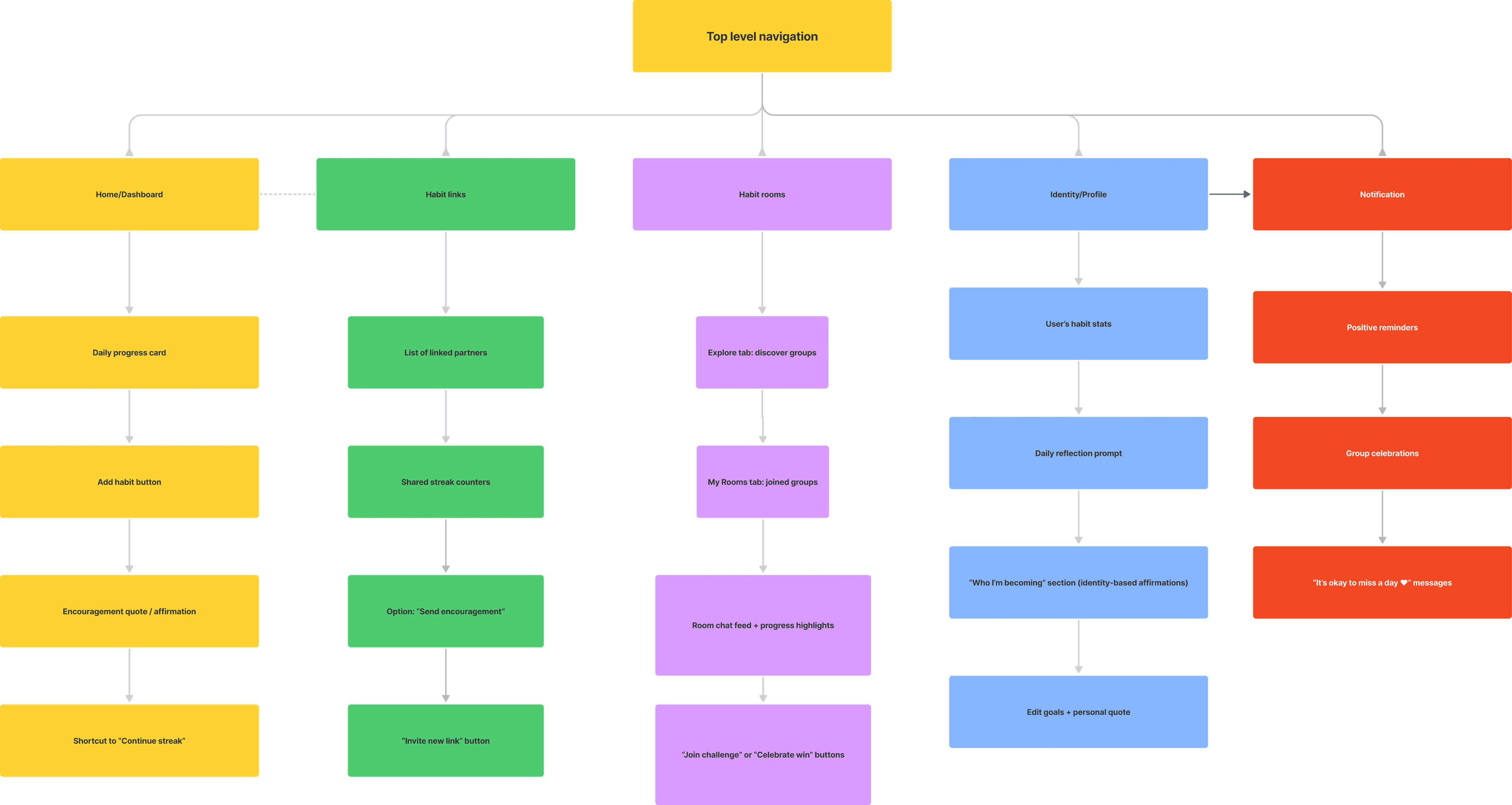
Discover → Define → Develop
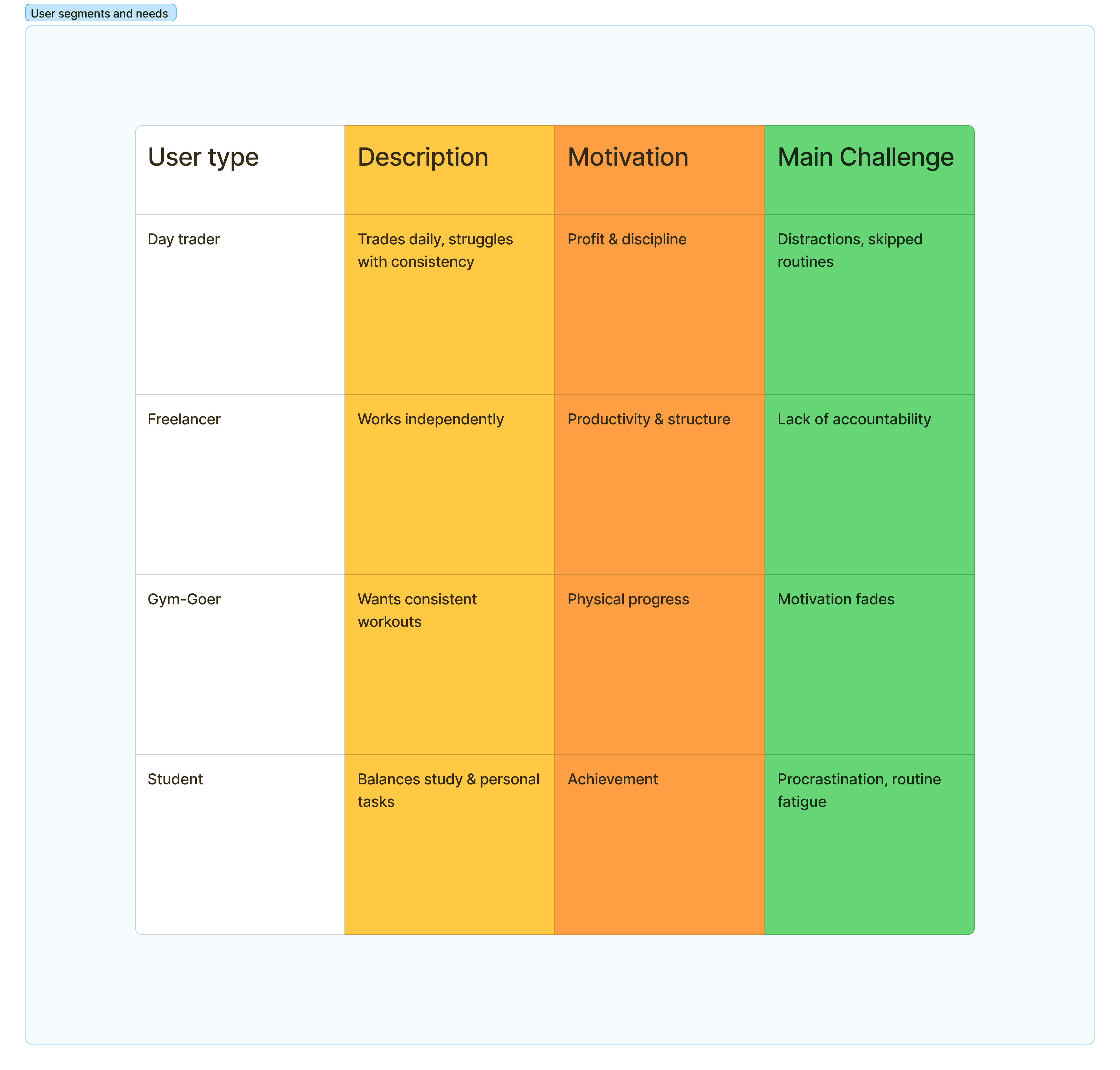
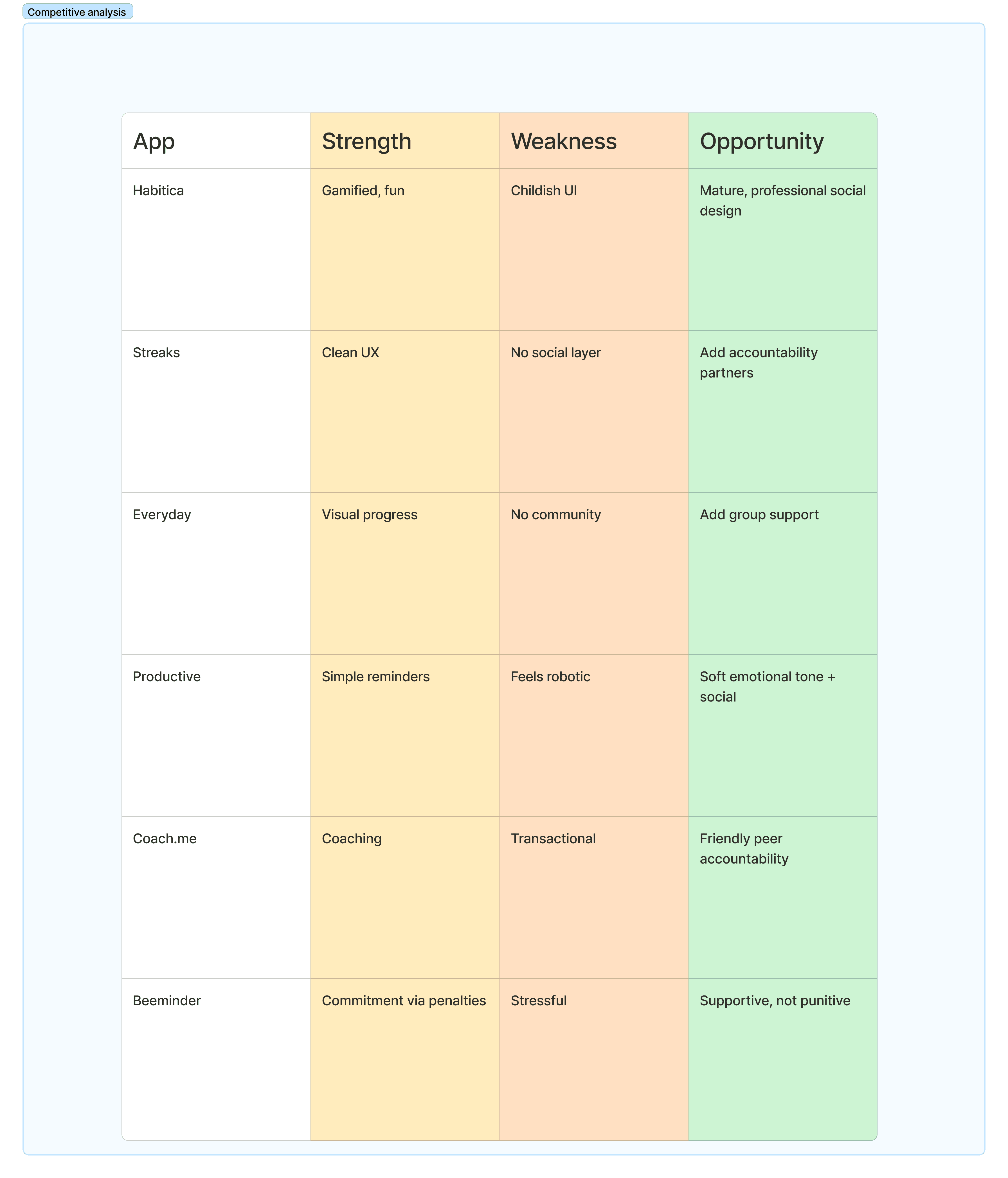
Problem framing, personas, concepts and information architecture.
06
Key screens & UX decisions
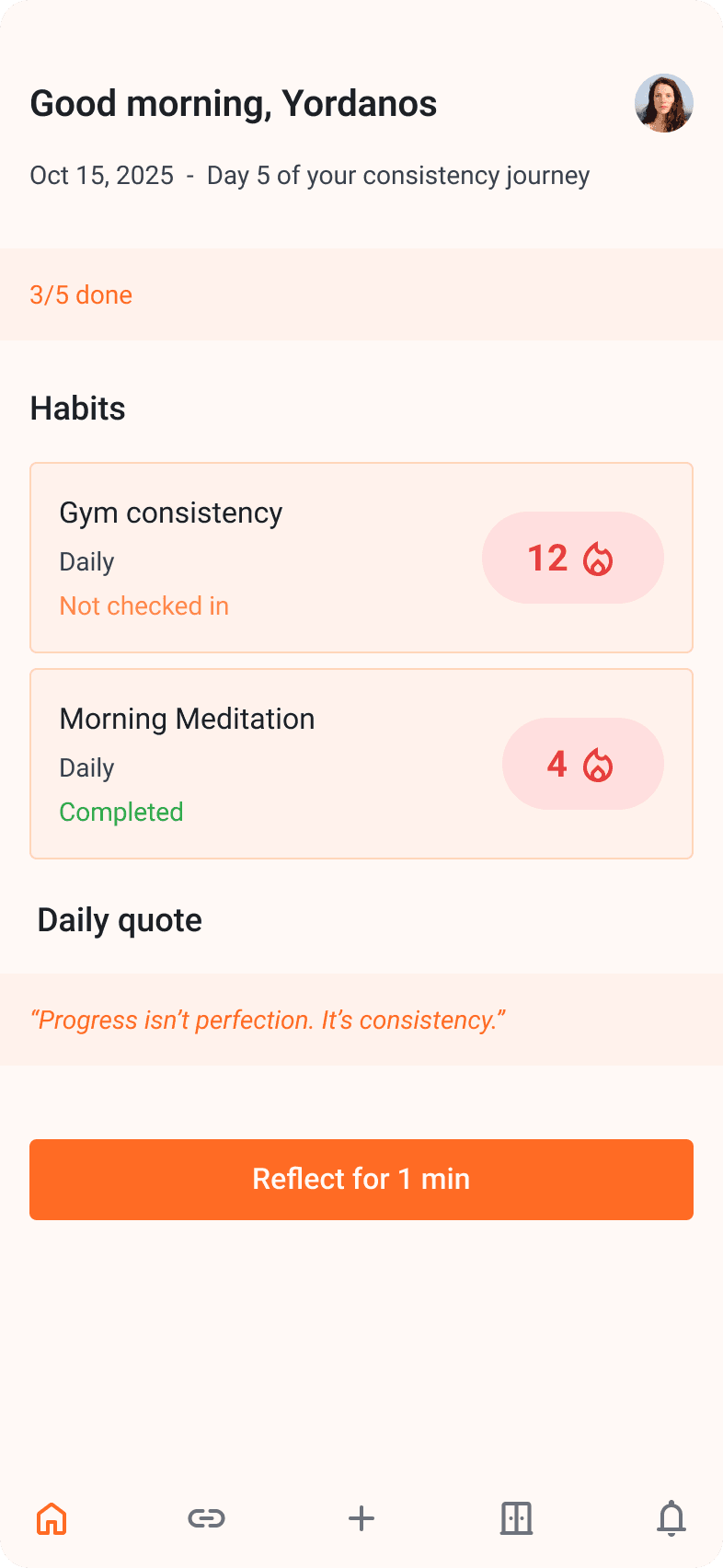
Home dashboard
- Solves: habit visibility and daily focus
- Decision: cards over lists to reduce cognitive load
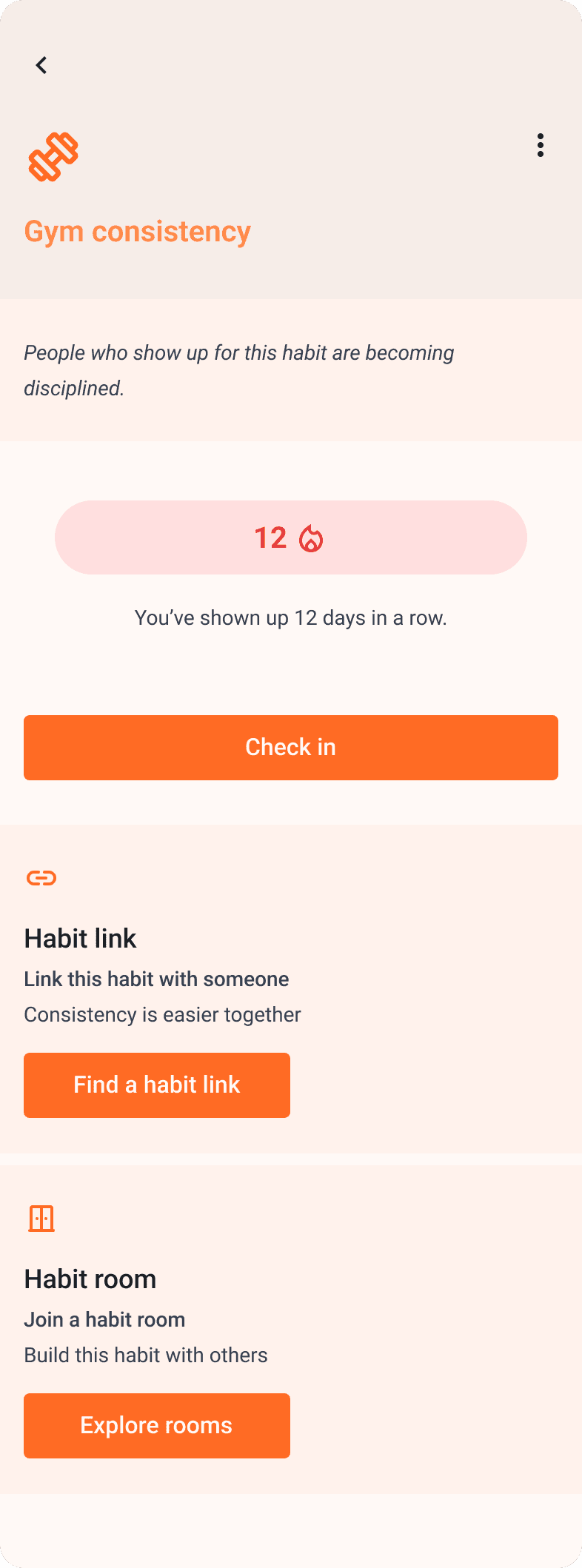
Habit detail
- Solves: ownership and clarity
- Decision: identity messaging + streak visibility
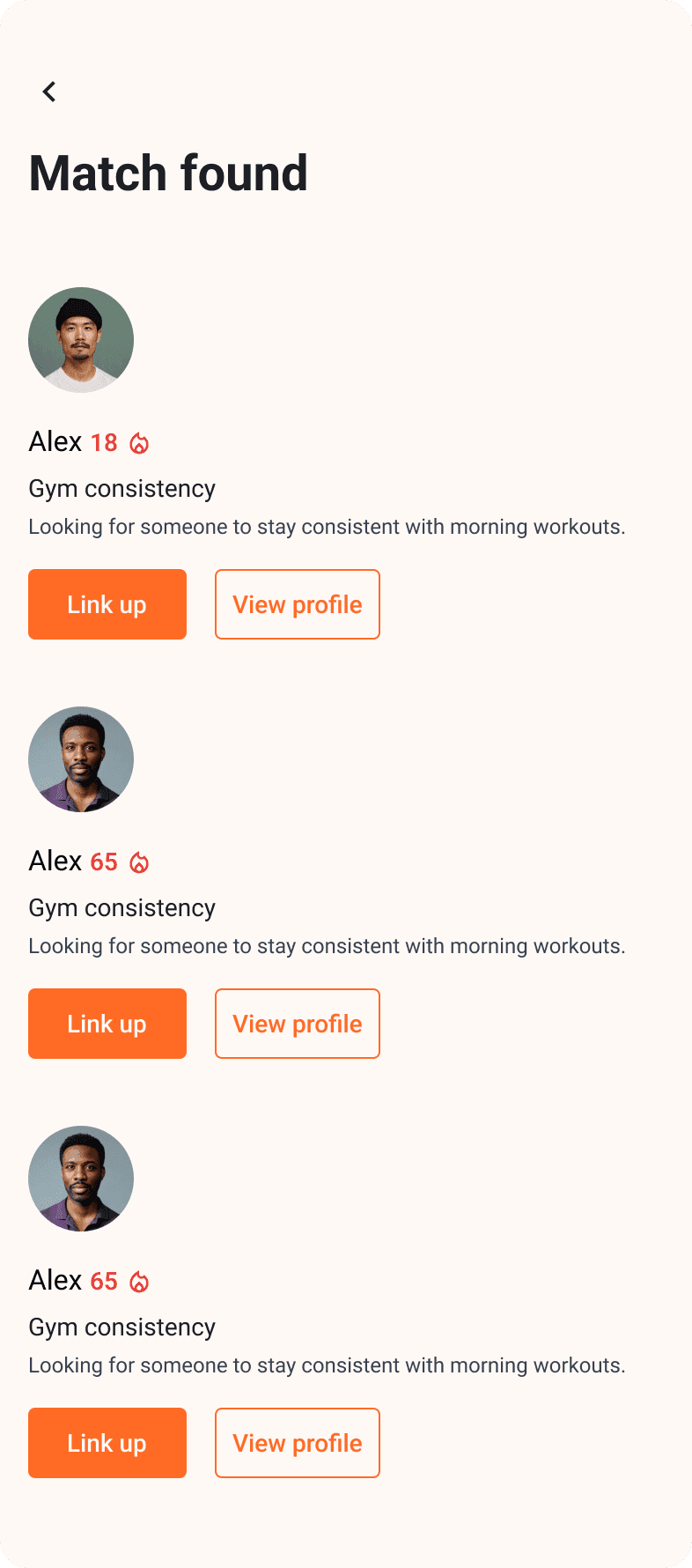
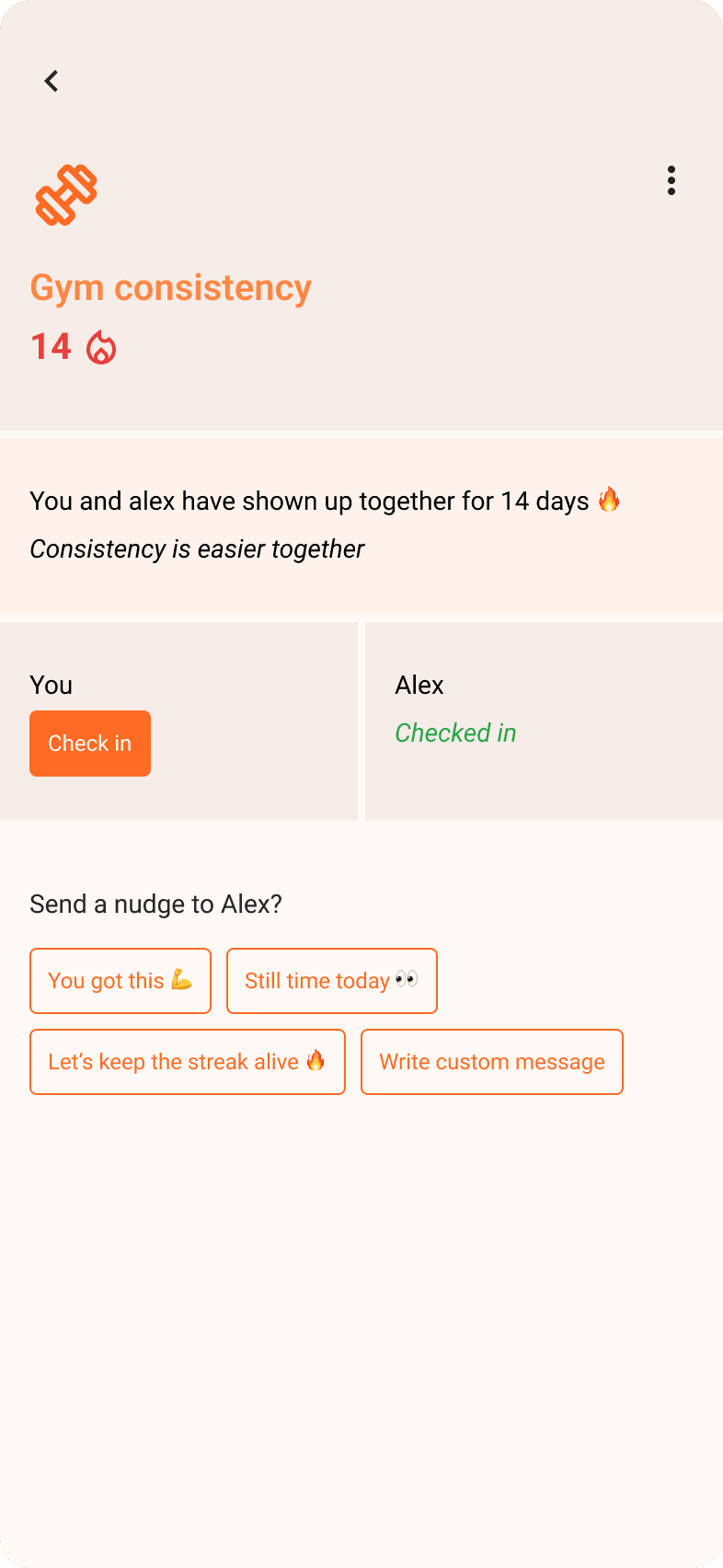
Habit links
- Solves: personal accountability
- Decision: shared streaks + gentle nudges
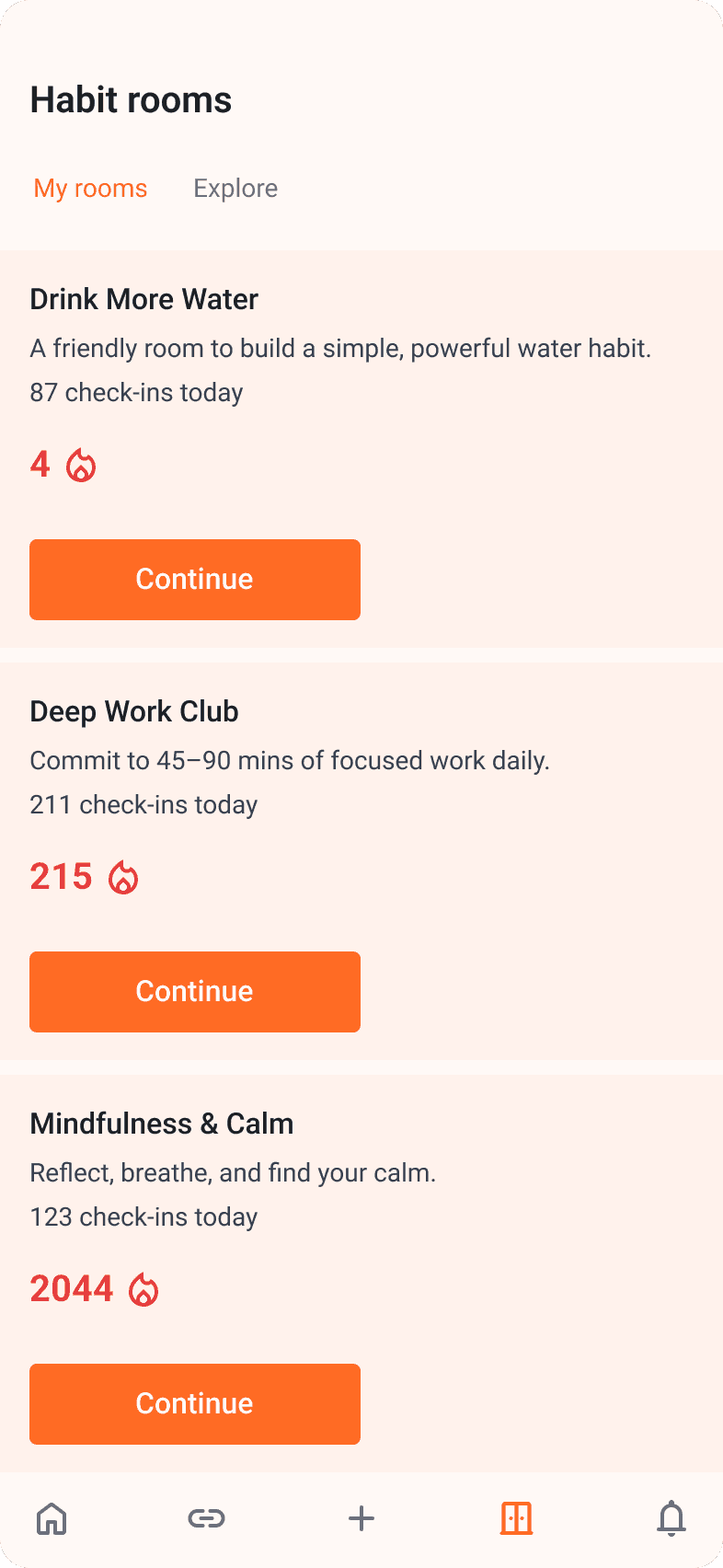
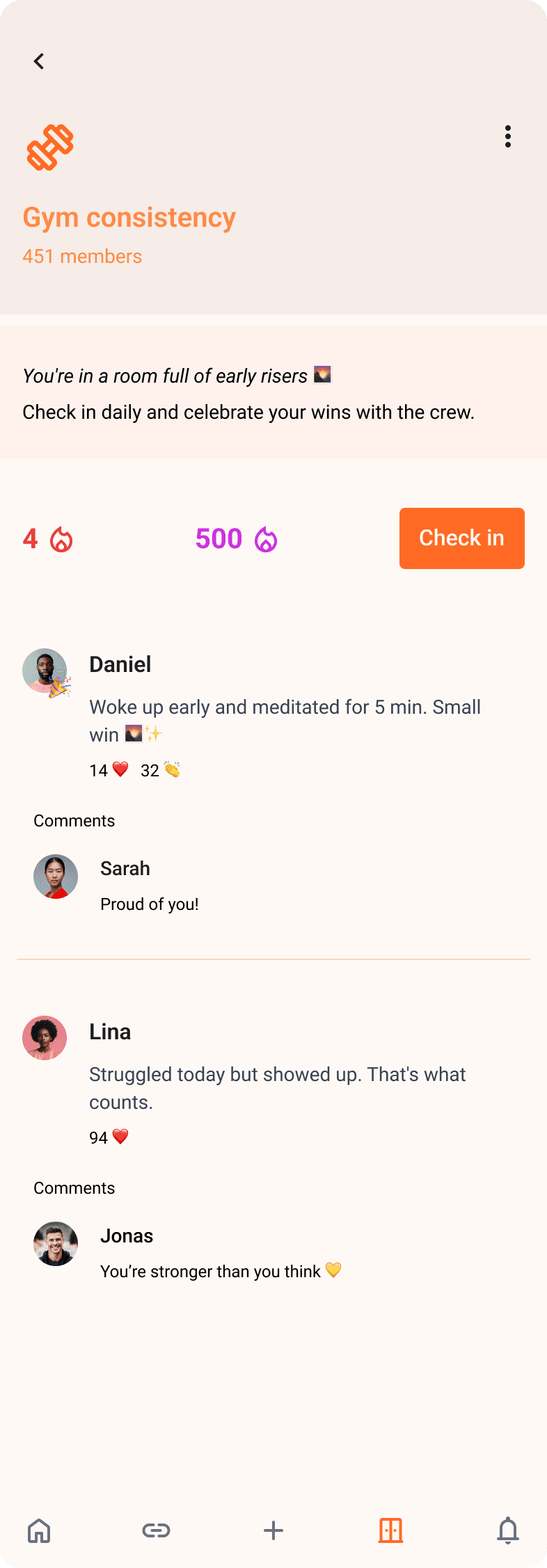
Habit rooms
- Solves: social motivation
- Decision: warm community feed, no pressure
07
Mockups
08
UI principles
- Warm colors to reduce guilt
- Soft cards for approachability
- Clear hierarchy for focus
- Emotion-aware microcopy
09
Outcomes & learnings
This project helped me explore how psychology, social design, and systems thinking can work together to support long-term behavior change.
Next story · Draw the next card
Sunday League Hub